Hi there, I am new here. I want some expert help.
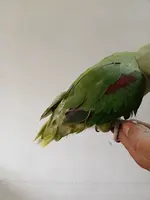
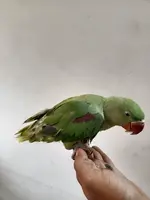
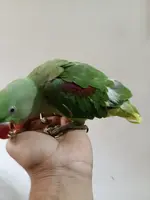
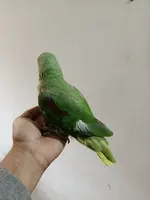
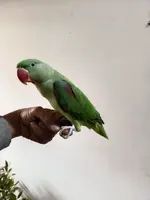
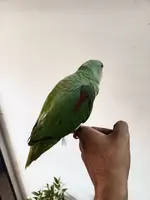
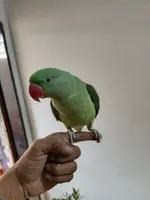
I bought these two Alexandrine parrots before 6 months. Shopkeeper told me that they are of 2.5 months age. So now they are approximately 9 months old. One named Sonic looks healthy to me but the other named Aslan is not healthy. When I bought them they were on support feed. After 15 days they weaned off. Since then I am giving them chopper Vegetables, sprout and seeds. I also give them two drops of multi vitamine everyday. They whistle all the day. Sonic is more vocal (I think he is male or is it because he is healthy?) and Aslan is not much vocal. I think Aslan is not healthy. His wing feathers were so bad situation that he / she broke one feather a day. In a month he lost all his wing feathers. Now he can't fly (since last 6 months) Sonic can fly very well but due to some risk I have clipped his flight feathers so he can't fly very high. Sonic have all his feathers good and shiny. But Aslan doesn't have good feather. Before 20 days I pulled their tail feather out because they were damaged. Aslans tail feathers have started to grow back. Same with Sonic. But aslans flight feathers aren't growing back as they were broken in the midway. They weren't pulled out. Both birds are sheding white silky small feathers since a month but are not molting big green feathers. When will they molt properly? I am feeling very bad for Aslan. As my little baby can't fly. I want to see him / her fly like Sonic and happy whistling like Sonic.
I am trying to teach them some words like their names, beta, I love you, mummy, pappa, good boy, bye bye, thank you since 3 months but they are not going to pick up a single word.
In my area there is no vet service.
Also can anyone tell me if I can determine their sex without DNA test or I must wait till 18 months? Why Aslan is not growing his flight feathers? Even why he is not sheding his broken flight feathers so that new healthy feathers can grow? And why they're not learning talking?
I bought these two Alexandrine parrots before 6 months. Shopkeeper told me that they are of 2.5 months age. So now they are approximately 9 months old. One named Sonic looks healthy to me but the other named Aslan is not healthy. When I bought them they were on support feed. After 15 days they weaned off. Since then I am giving them chopper Vegetables, sprout and seeds. I also give them two drops of multi vitamine everyday. They whistle all the day. Sonic is more vocal (I think he is male or is it because he is healthy?) and Aslan is not much vocal. I think Aslan is not healthy. His wing feathers were so bad situation that he / she broke one feather a day. In a month he lost all his wing feathers. Now he can't fly (since last 6 months) Sonic can fly very well but due to some risk I have clipped his flight feathers so he can't fly very high. Sonic have all his feathers good and shiny. But Aslan doesn't have good feather. Before 20 days I pulled their tail feather out because they were damaged. Aslans tail feathers have started to grow back. Same with Sonic. But aslans flight feathers aren't growing back as they were broken in the midway. They weren't pulled out. Both birds are sheding white silky small feathers since a month but are not molting big green feathers. When will they molt properly? I am feeling very bad for Aslan. As my little baby can't fly. I want to see him / her fly like Sonic and happy whistling like Sonic.
I am trying to teach them some words like their names, beta, I love you, mummy, pappa, good boy, bye bye, thank you since 3 months but they are not going to pick up a single word.
In my area there is no vet service.
Also can anyone tell me if I can determine their sex without DNA test or I must wait till 18 months? Why Aslan is not growing his flight feathers? Even why he is not sheding his broken flight feathers so that new healthy feathers can grow? And why they're not learning talking?
Attachments
Last edited: